This chart shows the No. 1 reason why the cost of raising kids jumped 60% in eight years
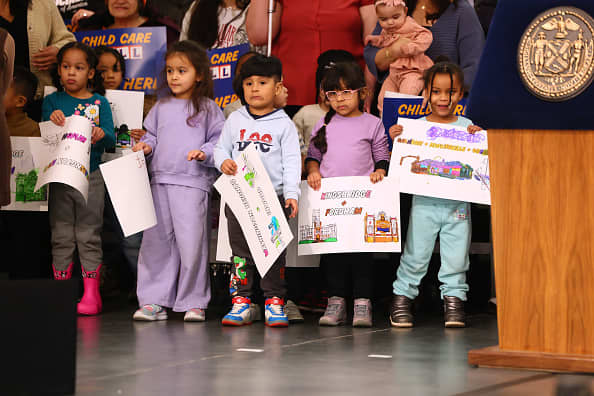
“The birth-rate crisis is really an affordability crisis.”
The significant increase in the cost of raising children, as indicated by a 60% jump over eight years, highlights a pressing concern for families and the broader economy. This surge in expenses can be attributed to various factors, but the underlying issue of affordability is particularly noteworthy. As the cost of living continues to rise, families are finding it increasingly challenging to balance their budgets and make ends meet, let alone plan for the future.
The notion that the "birth-rate crisis is really an affordability crisis" underscores the financial constraints that many individuals and families face when deciding whether to have children. This phenomenon has far-reaching implications for the economy, as declining birth rates can lead to a shrinking workforce and increased pressure on social security systems. Furthermore, the rising cost of raising children may also influence consumer spending habits, as families allocate a larger portion of their income towards childcare and education expenses.
As the situation continues to unfold, it will be essential to monitor the impact of affordability concerns on family planning decisions and the subsequent effects on the economy. Investors and policymakers should keep a close eye on demographic trends, consumer spending patterns, and the potential for policy interventions aimed at addressing the affordability crisis. Additionally, companies that provide family-related services and products may need to adapt their strategies to accommodate the shifting financial realities of their target market, making this a critical issue to watch in the Finance & Markets sector.
Originally reported by marketwatch.com. InvestorsWire adds analysis for finance & markets readers.