To win the humanoid-robots race, the U.S. needs this critical machine component that’s hard to find
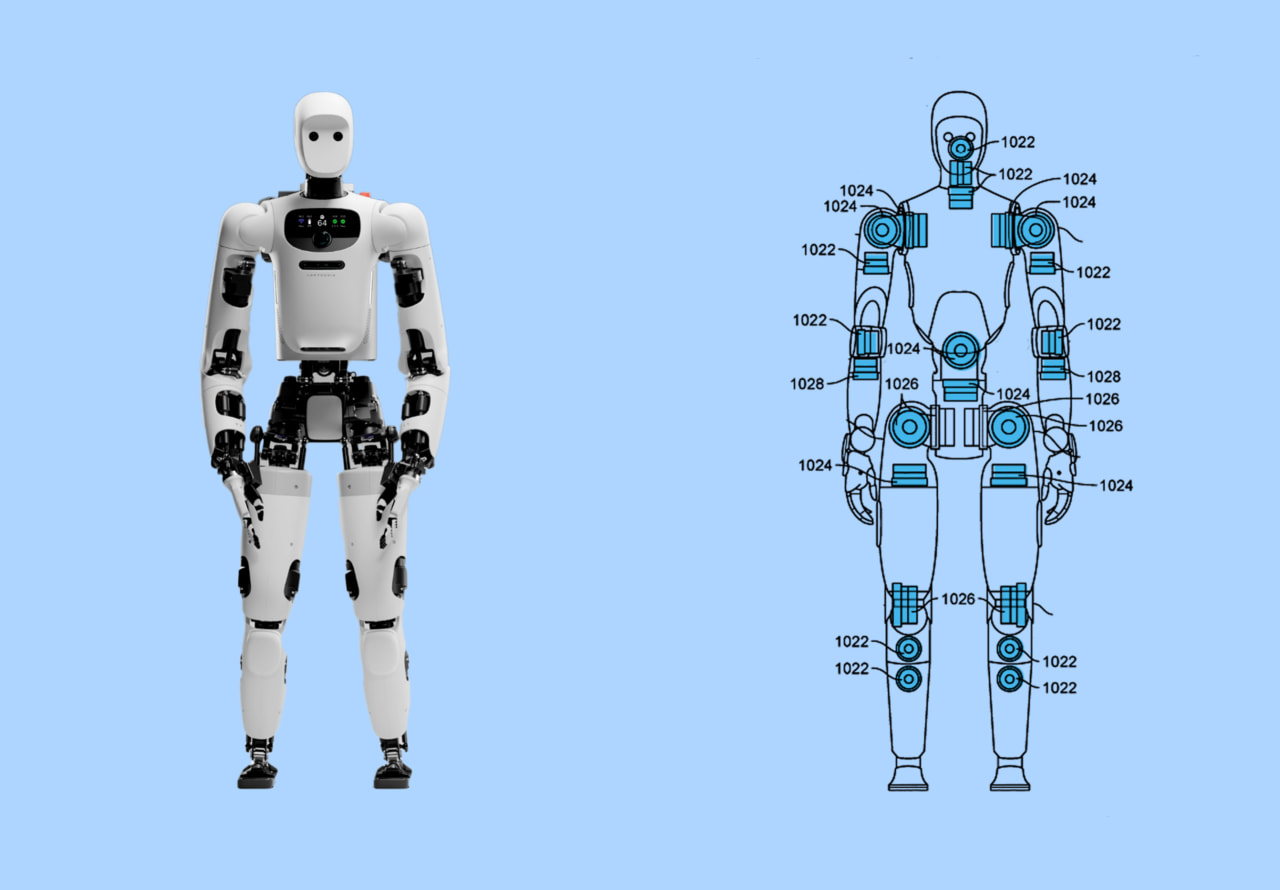
Humanoid robots have the potential to revolutionize life as we know it — but the U.S. does not have a supply chain that can produce key parts.
The development of humanoid robots is a rapidly growing field with significant potential for disruption across various industries, including healthcare, manufacturing, and services. However, the lack of a reliable supply chain for critical machine components in the U.S. poses a major challenge to the country's ability to compete in this space. This shortage could hinder the growth of companies involved in humanoid robot development, ultimately affecting their market valuation and investor confidence.
The U.S. government and private sector will need to invest in developing a domestic supply chain for these critical components to remain competitive. This could involve partnering with foreign suppliers, investing in research and development, or providing incentives for domestic manufacturers to produce these parts. The success of companies like Boston Dynamics, which is developing advanced humanoid robots, depends on the availability of these components. As a result, investors should closely monitor the development of a reliable supply chain for these critical machine components.
As the humanoid robot industry continues to evolve, investors should watch for announcements from companies and government agencies regarding investments in supply chain development, partnerships with foreign suppliers, or breakthroughs in domestic manufacturing. Additionally, investors should monitor the financial performance of companies involved in humanoid robot development, as any disruptions to their supply chain could impact their bottom line. The ability of the U.S. to establish a reliable supply chain for critical machine components will be crucial in determining the country's position in the global humanoid robot market.
Originally reported by marketwatch.com. InvestorsWire adds analysis for finance & markets readers.