Winter heating costs are expected to be 8.3% higher than last year. But could El Niño help?
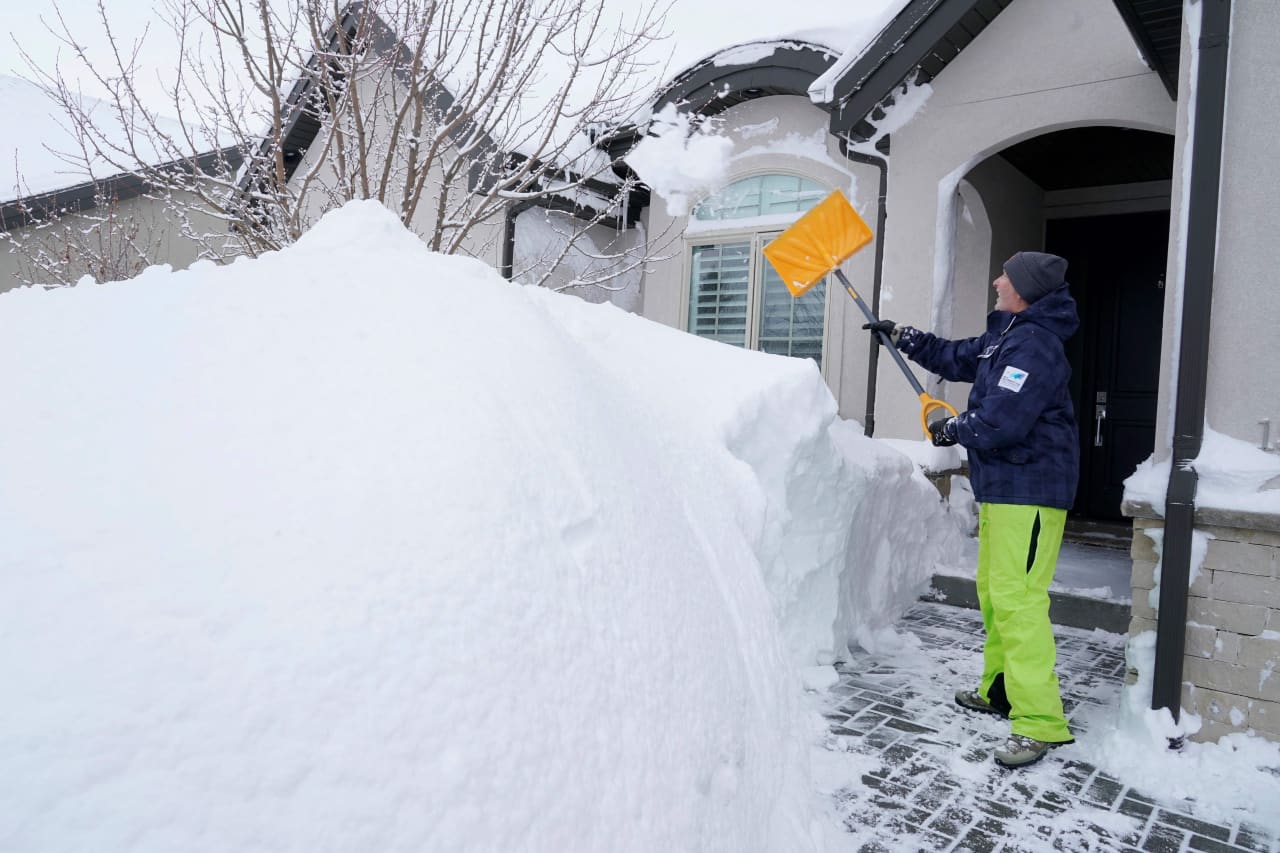
Expensive utility bills have become an increasingly sharp thorn for Americans’ wallets.
Rising winter heating costs will likely put additional pressure on household budgets, which have already been strained by inflation. The 8.3% increase in heating costs is significant, especially for low- and fixed-income households that may struggle to absorb the extra expense. This development could have implications for consumer spending and economic growth, as households may need to adjust their discretionary spending to accommodate higher energy bills.
The potential impact of El Niño on winter heating costs is an interesting factor to consider. Historically, El Niño events have brought warmer-than-average temperatures to the northern United States during the winter months. If this year's El Niño event follows a similar pattern, it could lead to reduced heating demand and lower energy bills. However, it's essential to note that the relationship between El Niño and winter weather patterns is complex, and it's difficult to predict with certainty how this year's event will play out.
To watch next: The actual winter weather patterns and how they affect heating demand, as well as any potential government interventions or assistance programs aimed at helping households cope with higher energy costs. Additionally, investors may want to keep an eye on energy stocks, particularly those of utility companies, as they could be impacted by changes in heating demand and energy prices. The Energy Information Administration's (EIA) winter outlook and any updates on El Niño's progress will also be worth monitoring.
Originally reported by marketwatch.com. InvestorsWire adds analysis for finance & markets readers.